
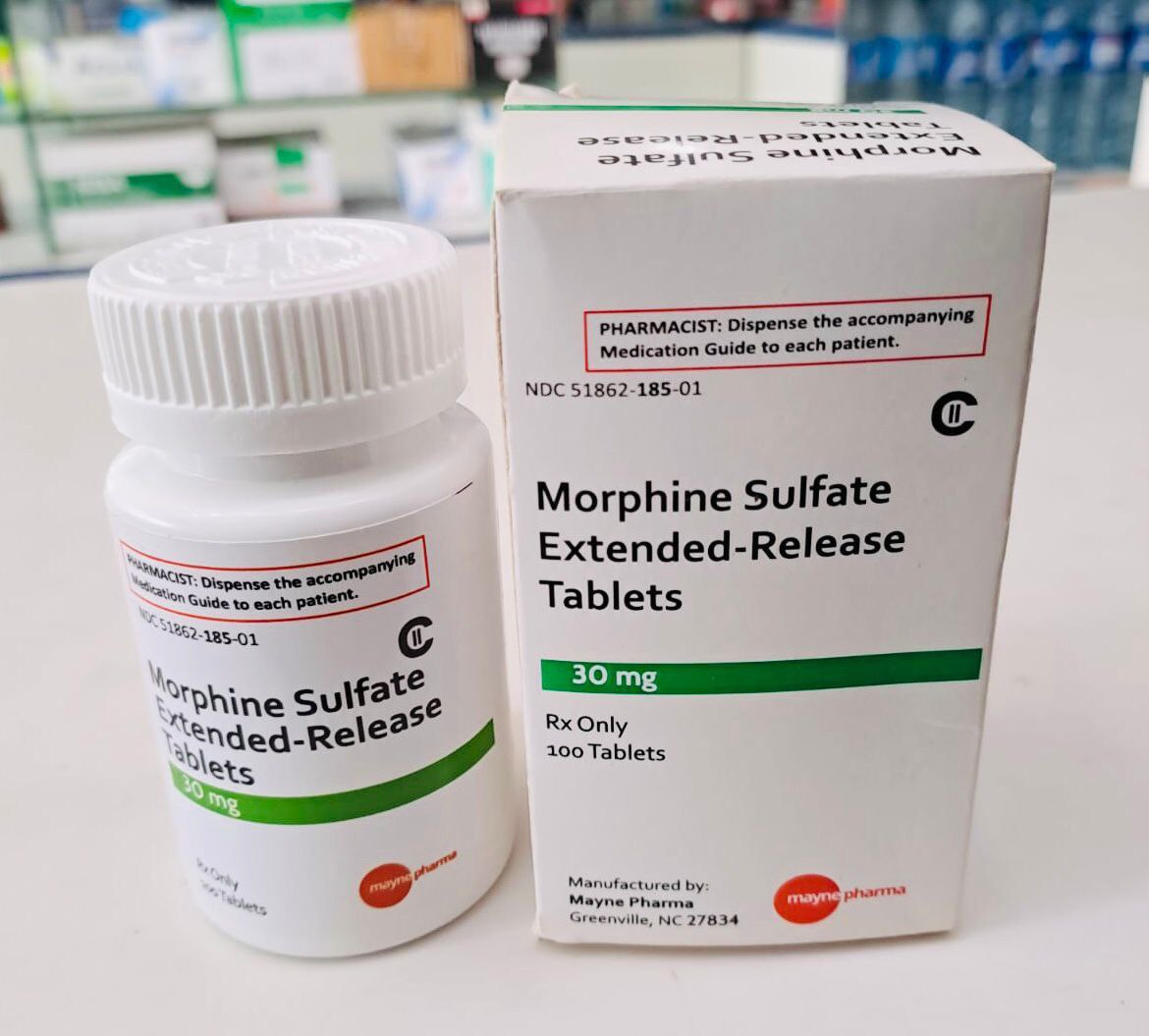
Morphine Sulfate – Gold-Standard Opioid Analgesia in UK Clinical Care
Morphine Sulfate is one of the most established and closely regulated opioid analgesics used in the United Kingdom. Trusted across hospitals, hospices, and specialist pain services, it plays a vital role in the management of moderate to severe pain where other analgesics are insufficient. Its use is guided by strict UK prescribing standards and detailed clinical references such as the British National Formulary, ensuring safety, effectiveness, and responsible administration.
This detailed product overview focuses on Morphine Sulfate within a UK healthcare context, offering clear, accurate, and patient-centred information.
What Is Morphine Sulfate?
Morphine Sulfate is a strong opioid pain-relieving medicine derived from morphine, used to manage severe acute and chronic pain. In UK practice, it is prescribed for conditions such as:
-
Cancer-related pain
-
Post-operative pain
-
Severe injury or trauma
-
Advanced chronic pain requiring specialist oversight
It is available in multiple formulations, allowing clinicians to tailor treatment to individual patient needs.
The Role of Morphine Sulfate in UK Pain Management
In the UK, Morphine Sulfate is considered a benchmark opioid, often used as a reference when assessing the potency of other opioid medicines. Its effectiveness and predictable pharmacological profile make it central to pain-management protocols, particularly in secondary and tertiary care.
Prescribing follows strict guidance to balance effective pain relief with the minimisation of adverse effects and dependence risks.
How Morphine Sulfate Works in the Body
Morphine Sulfate acts on opioid receptors in the central nervous system, particularly the mu-opioid receptors. By binding to these receptors, it:
-
Reduces the transmission of pain signals
-
Alters the perception of pain
-
Produces a calming and sedative effect
This mechanism helps patients experience meaningful relief from severe pain that would otherwise be debilitating.
Available Forms of Morphine Sulfate in the UK
It is available in several formulations to suit different clinical situations:
Immediate-Release Forms
Used for rapid pain relief or breakthrough pain, offering quicker onset but shorter duration.
Modified-Release Preparations
Designed for sustained pain control, providing consistent analgesia over extended periods.
Oral, Injectable & Specialist Forms
Depending on clinical need, It may be administered orally, intravenously, or subcutaneously under professional supervision.
Who May Be Prescribed Morphine Sulfate?
In UK clinical practice, Morphine Sulfate may be prescribed to adults experiencing pain that cannot be adequately managed with non-opioid or weaker opioid medicines. It is commonly used in:
-
Oncology and palliative care
-
Surgical recovery settings
-
Specialist pain clinics
Prescription decisions are always individualised, taking into account medical history, pain severity, and overall health.
Dosage & Titration in the UK
Morphine Sulfate dosing is carefully titrated. UK clinicians typically follow a “start low, go slow” approach to identify the lowest effective dose that provides adequate pain relief.
Key considerations include:
-
Patient age and weight
-
Kidney and liver function
-
Previous opioid exposure
-
Response and tolerance over time
Regular review is essential to ensure ongoing safety and effectiveness.
Benefits of Morphine Sulfate
Powerful Analgesic Effect
It remains one of the most effective medicines for severe pain, improving comfort and quality of life.
Flexible Treatment Options
Multiple formulations allow tailored pain control across different clinical settings.
Extensive Clinical Experience
Decades of use in the UK healthcare system provide a strong evidence base for its benefits and limitations.
Safety Considerations & Side Effects
Because Morphine is a potent opioid, its use requires close medical supervision.
Common Side Effects
-
Drowsiness or sedation
-
Constipation
-
Nausea or vomiting
-
Dizziness
Serious Risks
-
Respiratory depression
-
Tolerance and physical dependence
-
Potential for misuse if not properly controlled
To reduce risks, patients are regularly monitored and provided with supportive treatments, such as laxatives for constipation.
Dependence & Responsible Use
It can lead to physical dependence when used long term. In the UK, this is managed through:
-
Careful patient selection
-
Regular clinical review
-
Gradual dose reduction when treatment is no longer required
When used appropriately under medical guidance, the benefits in pain control often outweigh the risks.
Regulation of Morphine Sulfate in the UK
It is classified as a controlled drug under UK law. This means:
-
It is available only with a valid prescription
-
Prescribing and dispensing are strictly regulated
-
Storage and record-keeping follow legal requirements
These safeguards protect patients and ensure responsible use within the healthcare system.
Morphine Sulfate in Palliative & End-of-Life Care
One of the most important roles of Morphine Sulfate in the UK is within palliative care. It helps relieve severe pain and distress, supporting dignity and comfort for patients with life-limiting illnesses.
In these settings, treatment focuses on symptom relief and quality of life rather than long-term risk considerations.
Final Thoughts on Morphine Sulfate
Morphine Sulfate remains a cornerstone of severe pain management in the UK. Its effectiveness, versatility, and extensive clinical experience make it an indispensable medicine when used responsibly and under expert supervision.
For patients experiencing intense pain, Morphine Sulfate can provide meaningful relief and improved quality of life—when prescribed, monitored, and reviewed according to established UK medical standards.
Reviews
There are no reviews yet.