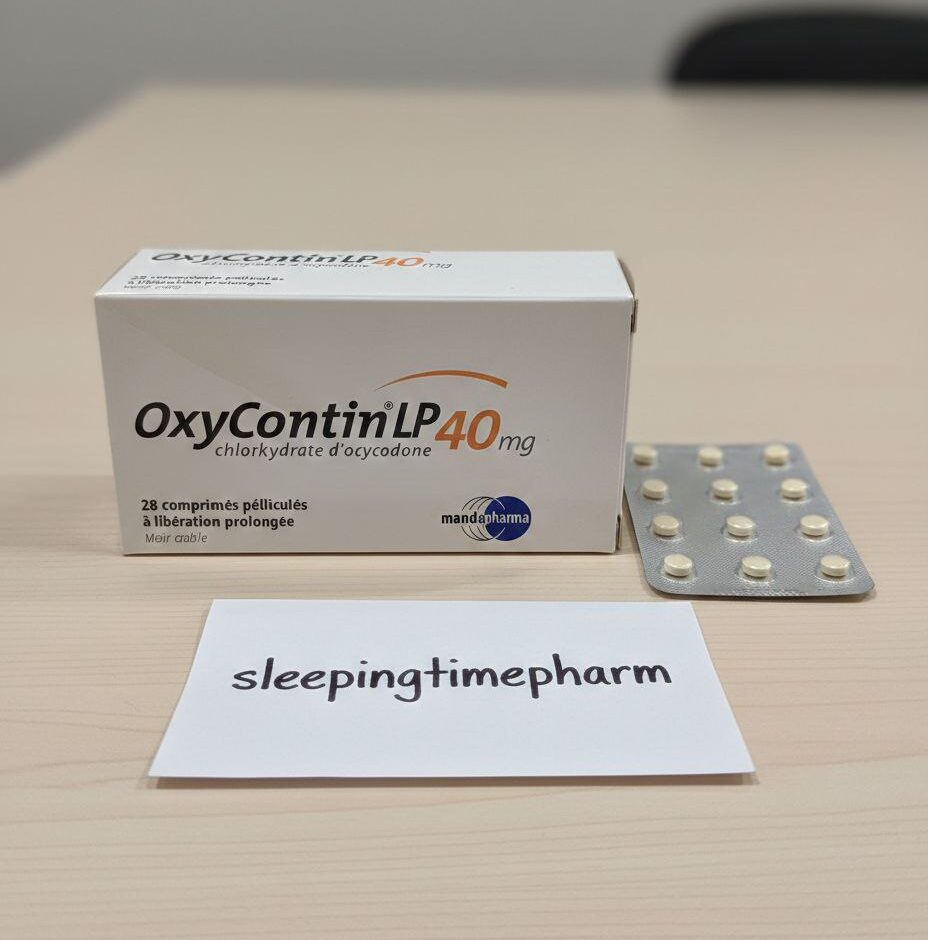
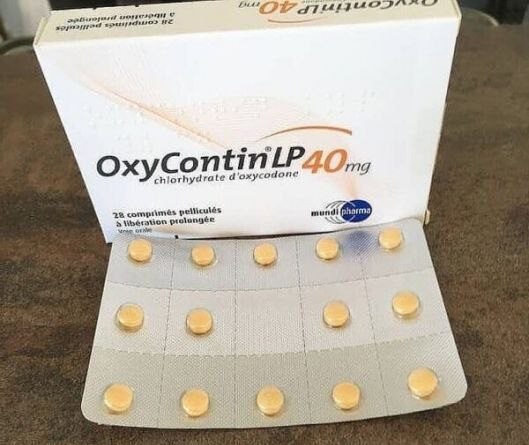


Oxycotin Review – In-Depth UK Guide to Controlled, Long-Acting Pain Relief
An Oxycotin review is often sought by patients and carers who want clear, trustworthy information about this strong opioid medicine and how it is used safely in the UK. Oxycotin is a prolonged-release formulation of oxycodone, prescribed for moderate to severe pain that requires continuous, around-the-clock control. When managed correctly under specialist supervision, it can offer sustained pain relief and improved quality of life.
This comprehensive, UK-focused Oxycotin review explains how the medicine works, who it’s prescribed for, benefits and risks, and the safeguards in place to ensure responsible use.
What Is Oxycotin?
Oxycotin is a prolonged-release oxycodone medicine designed to provide consistent pain control over an extended period. Unlike immediate-release opioids that act quickly but wear off sooner, Oxycotin releases oxycodone gradually, helping maintain stable analgesia day and night.
In the UK, prescribing and dosing are aligned with national standards and references such as the British National Formulary, ensuring appropriate selection, titration, and monitoring.
Why People Search for an “Oxycotin Review” in the UK
Interest in an Oxycotin review typically comes from individuals dealing with persistent pain where other treatments have not provided adequate relief. Patients and carers want to understand:
-
How effective Oxycotin is for long-term pain
-
What side effects to expect
-
How it compares with other opioid options
-
How it is prescribed and monitored in the UK
Clear information helps patients make informed decisions alongside their healthcare professionals.
How Oxycotin Works
Oxycotin contains oxycodone, a strong opioid analgesic that binds to opioid receptors in the brain and spinal cord. This action:
-
Reduces the transmission of pain signals
-
Alters the perception of pain
-
Provides a steady analgesic effect over many hours
Because it is prolonged-release, Oxycotin is intended for regular dosing, not for sudden pain flares.
Key Benefits Highlighted in This Oxycotin Review
Consistent, Long-Lasting Pain Control
Oxycotin is designed to maintain stable pain relief, helping reduce peaks and troughs associated with short-acting opioids.
Improved Daily Function
Effective background pain control may support better sleep, mobility, and participation in daily activities.
Reduced Dosing Frequency
Prolonged-release formulations can be more convenient, with fewer daily doses compared with immediate-release options.
Established UK Clinical Use
Oxycodone has a long history of use in UK pain services, with clear protocols for safe prescribing.
Who May Be Prescribed Oxycotin in the UK?
According to UK clinical practice, Oxycotin may be prescribed to adults who:
-
Experience moderate to severe chronic pain
-
Require continuous opioid analgesia
-
Have pain related to cancer, advanced illness, or severe non-cancer conditions
-
Are managed by clinicians experienced in opioid therapy
Each prescription follows an individual assessment of benefit versus risk.
Dosage, Titration & Monitoring
Dosing with Oxycotin is carefully individualised. UK prescribers typically:
-
Start at a low dose
-
Increase gradually to achieve adequate pain control
-
Review regularly for effectiveness and side effects
Breakthrough pain may be managed with a separate, short-acting analgesic if required.
Safety Profile & Side Effects
Any balanced Oxycotin review must address safety. As a strong opioid, Oxycotin can cause side effects that need monitoring.
Common Side Effects
-
Drowsiness or sedation
-
Constipation
-
Nausea or vomiting
-
Dizziness
These are often manageable with supportive treatment and dose adjustment.
Serious Risks
-
Respiratory depression
-
Tolerance with long-term use
-
Physical dependence
UK clinicians mitigate these risks through careful selection, patient education, and ongoing review.
Dependence, Tolerance & Responsible Use
Long-term opioid therapy can lead to physical dependence. This is a recognised physiological response and differs from addiction. UK pain management focuses on:
-
Clear treatment goals
-
Regular reassessment
-
Dose reduction or discontinuation if benefits no longer outweigh risks
This structured approach is a key theme in any responsible Oxycotin review.
Legal Status & Regulation in the UK
Oxycotin is classified as a controlled drug. This means:
-
A valid prescription from a UK-registered clinician is required
-
Dispensing is restricted to licensed pharmacies
-
Strict record-keeping and storage rules apply
These measures ensure patient safety and legal compliance.
Oxycotin Compared with Other Opioids
Within UK pain services, Oxycotin is often compared with morphine-based prolonged-release options. Selection depends on:
-
Individual response and tolerance
-
Side-effect profile
-
Clinical judgement and patient preference
No single opioid suits everyone, which is why tailored treatment is essential.
Why Use a Regulated UK Pharmacy
Obtaining Oxycotin through a regulated UK pharmacy ensures:
-
Authentic, quality-controlled medication
-
Professional counselling on use and side effects
-
Secure, confidential dispensing
-
Compliance with UK medicines law
This is critical for medicines with the potency of Oxycotin.
Final Verdict: Oxycotin Review for UK Patients
This Oxycotin review highlights a medicine that plays an important role in managing persistent, severe pain when used responsibly. Its prolonged-release design supports consistent pain control, while strict UK prescribing standards help balance benefit with safety.
If you are considering or already prescribed Oxycotin, always follow medical advice, attend regular reviews, and discuss any concerns with your healthcare professional. When used appropriately under expert supervision, Oxycotin can contribute meaningfully to comfort, function, and quality of life.
Reviews
There are no reviews yet.