Buy Dihydrocodeine 30 mg Tablets – Trusted Prescription Pain Relief in the UK
What Is Dihydrocodeine?
Dihydrocodeine is a well-established opioid analgesic used in the UK for the management of moderate to severe pain when other painkillers such as paracetamol or ibuprofen are insufficient. It belongs to the opioid class of medicines and works by altering the way the brain and nervous system respond to pain signals.
In the UK, dihydrocodeine is classified as a Prescription Only Medicine (POM), meaning it can only be supplied under the direction of a qualified healthcare professional. This ensures that it is used safely, appropriately, and only when clinically necessary.
Dihydrocodeine 30 mg – Strength and Formulation
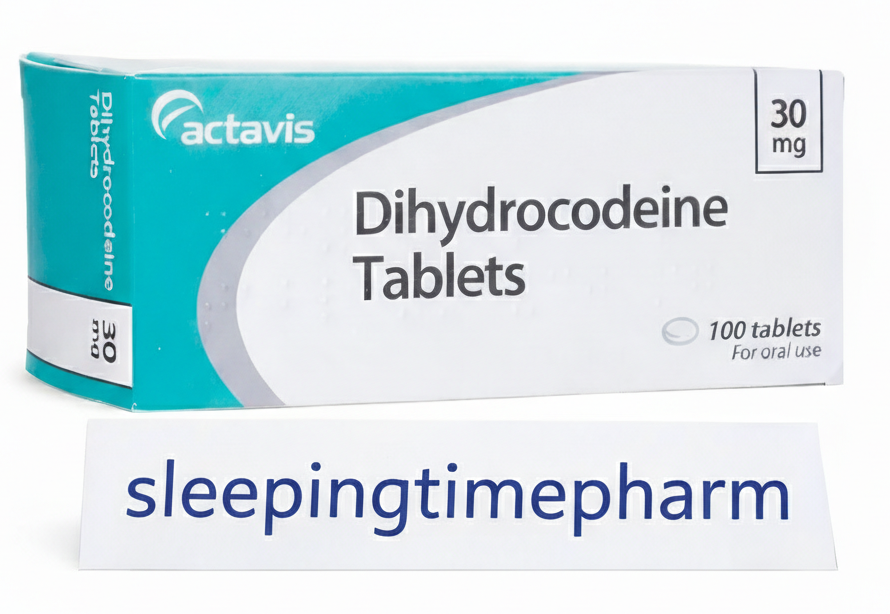
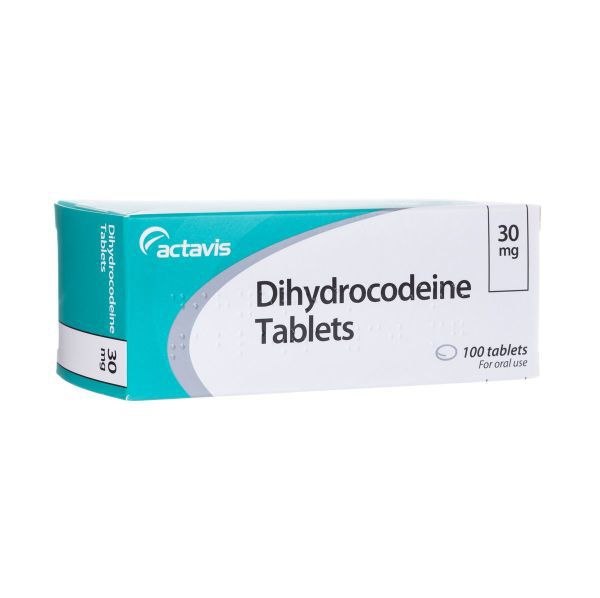
Dihydrocodeine 30 mg tablets contain a measured dose designed for patients who require consistent and reliable pain control under medical supervision. This strength is commonly prescribed within NHS and private healthcare settings across the UK.
Each tablet is formulated for oral administration and manufactured to strict pharmaceutical standards, ensuring:
-
Consistent potency
-
Reliable absorption
-
Predictable therapeutic effect
It is often prescribed for short-term pain relief, though in some cases it may be used longer-term with careful monitoring.
How Dihydrocodeine Works in the Body
It works by binding to opioid receptors in the central nervous system. These receptors are responsible for transmitting pain signals. When it activates them, the perception of pain is reduced, and discomfort becomes more manageable.
In addition to its analgesic effects, It may produce:
-
A sense of physical relaxation
-
Reduced pain-related distress
-
Improved comfort during recovery
Because it affects the brain and nervous system, it must be taken exactly as prescribed to minimise risks and side effects.
Common Medical Uses of Dihydrocodeine in the UK
In UK clinical practice, it may be prescribed for:
-
Post-operative pain
-
Injury-related pain
-
Musculoskeletal pain
-
Severe dental pain
-
Pain associated with chronic conditions (under strict supervision)
Doctors may prescribe dihydrocodeine alone or as part of a wider pain-management plan tailored to the individual patient.
Important Safety Information About Dihydrocodeine
Prescription-Only Status in the UK
Dihydrocodeine is regulated under UK medicines law. It must not be used without a valid prescription from a GP, hospital consultant, or authorised prescriber.
Risk of Dependence
As an opioid, dihydrocodeine carries a risk of:
-
Tolerance
-
Physical dependence
-
Withdrawal symptoms if stopped suddenly
For this reason, UK prescribers carefully assess the duration of treatment and review patients regularly.
Possible Side Effects
Some patients may experience side effects, including:
-
Drowsiness or sedation
-
Constipation
-
Nausea or vomiting
-
Dizziness
-
Headache
Serious side effects are less common but require immediate medical attention.
Who Should Not Take Dihydrocodeine?
The medicine may not be suitable for everyone. It is generally not recommended for individuals who:
-
Have severe breathing problems
-
Have a history of opioid dependence
-
Are allergic to it.
-
Are pregnant or breastfeeding (unless specifically advised by a doctor)
Always disclose your full medical history to your healthcare provider before starting it .
Dihydrocodeine and UK Regulatory Standards
Medicines containing dihydrocodeine supplied in the UK are manufactured in compliance with:
-
MHRA (Medicines and Healthcare products Regulatory Agency) standards
-
Good Manufacturing Practice (GMP) guidelines
-
Strict quality, safety, and traceability requirements
This ensures that prescribed in the and legal standards.
Storage and Handling of Dihydrocodeine Tablets
Proper storage is essential to maintain the safety and effectiveness of the medicine:
-
Store in a cool, dry place
-
Keep out of sight and reach of children
-
Do not share with others
-
Dispose of unused tablets via a pharmacy
Safe handling helps prevent accidental exposure or misuse.
Why Dihydrocodeine Remains a Trusted Pain Relief Option
Despite tighter controls and increased awareness around opioid use, dihydrocodeine continues to play an important role in UK pain management when prescribed responsibly. Its effectiveness, predictable action, and long history of clinical use make it a trusted option for patients who genuinely need stronger pain relief.
When used correctly under medical guidance, d can significantly improve quality of life during periods of acute or severe pain.
Key Takeaway: Dihydrocodeine 30 mg in the UK
-
It is a prescription opioid analgesic
-
30 mg tablets are commonly prescribed for moderate to severe pain
-
Regulated and monitored under UK law
-
Must only be used as directed by a healthcare professional
-
Offers effective pain relief when other treatments are inadequate
Final Note
This description is for informational purposes only and does not replace professional medical advice. Always consult a qualified UK healthcare provider regarding the use of It .




Reviews
There are no reviews yet.